
Anjanaharibe-Sud Special Reserve, Madagascar. New research from Wildlife Madagascar’s Anjanaharibe-Sud field site has been published in the journal Human Ecology, offering fresh insight into how a road bisecting the protected reserve affects both local communities and conservation efforts.
The study was led by Amie Wuchter of Montclair State University and Aro Andriamanalina of the University of Antananarivo, working alongside a multi-institutional research team that included Delaïd Rasamisoa and Dr. Timothy Eppley of Wildlife Madagascar, Alpin Ramiarison of Université Nord d’Antsiranana, and Drs. Katherine Kling and Cortni Borgerson of Stony Brook University and Centre ValBio.
What the Research Found
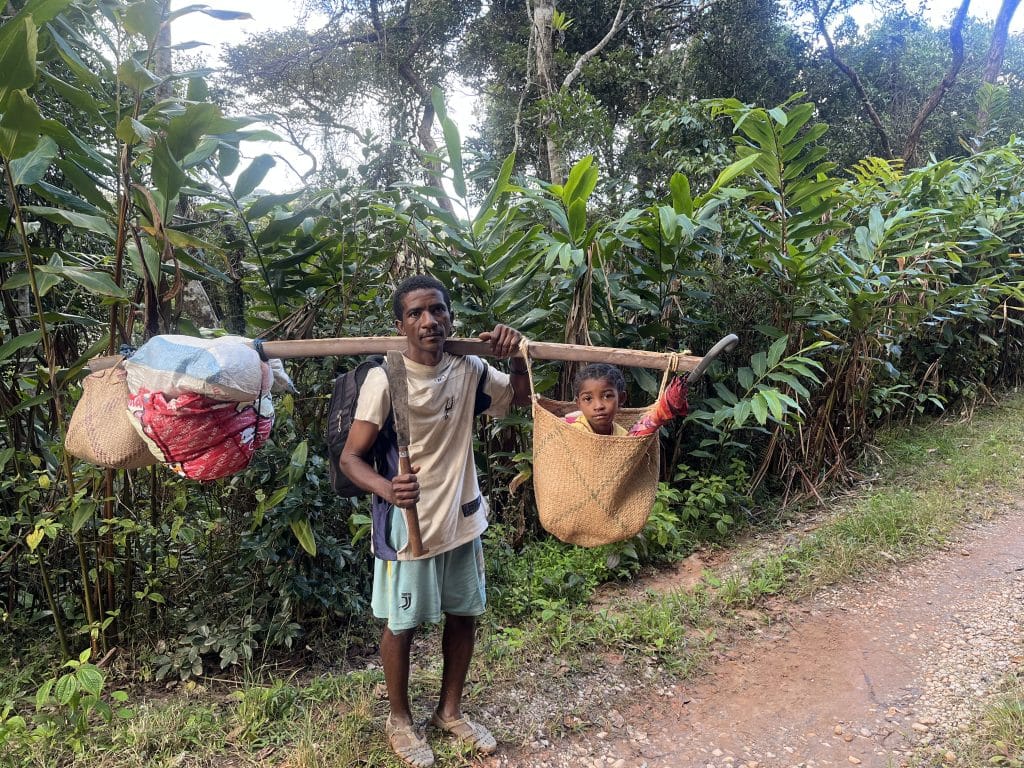
The team surveyed nearly 3,900 travelers using the unpaved road that cuts through Anjanaharibe-Sud Special Reserve, with an estimated 250 people crossing the protected area on it each day. Most were traveling to reach markets, connect with family, or access essential services like healthcare and education, while comparatively few travelers reported collecting resources from the surrounding forest along the way.
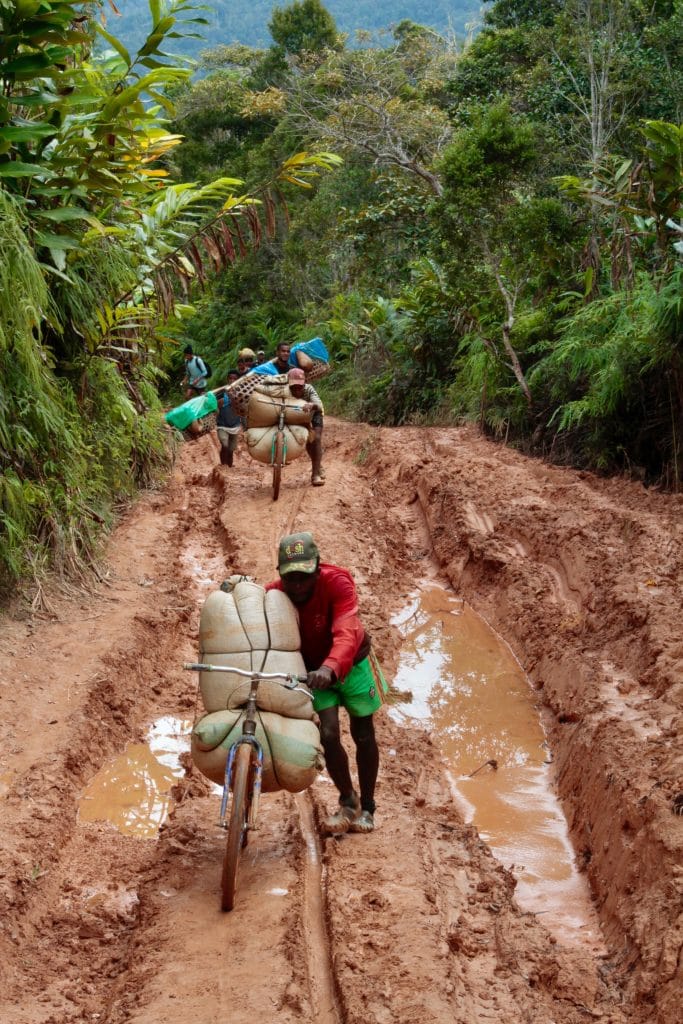
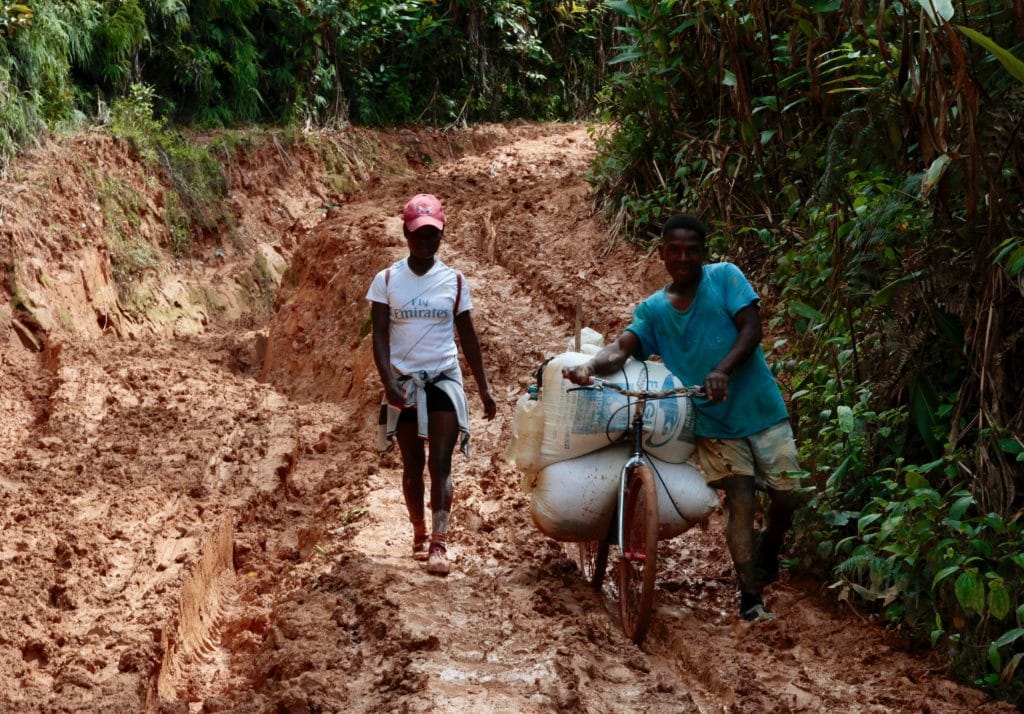
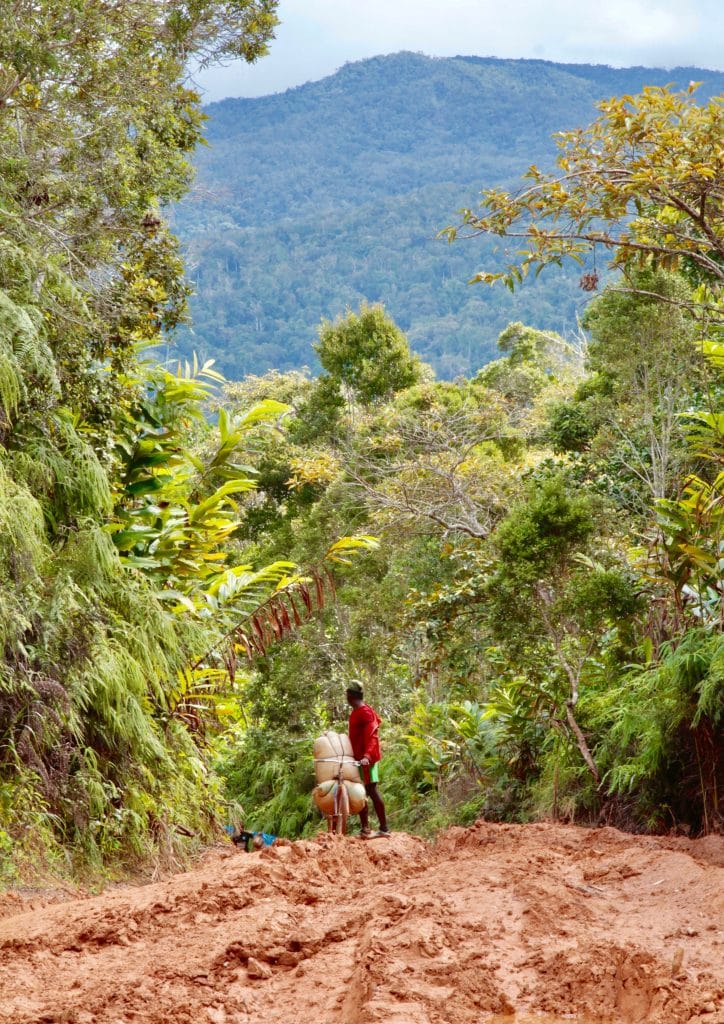
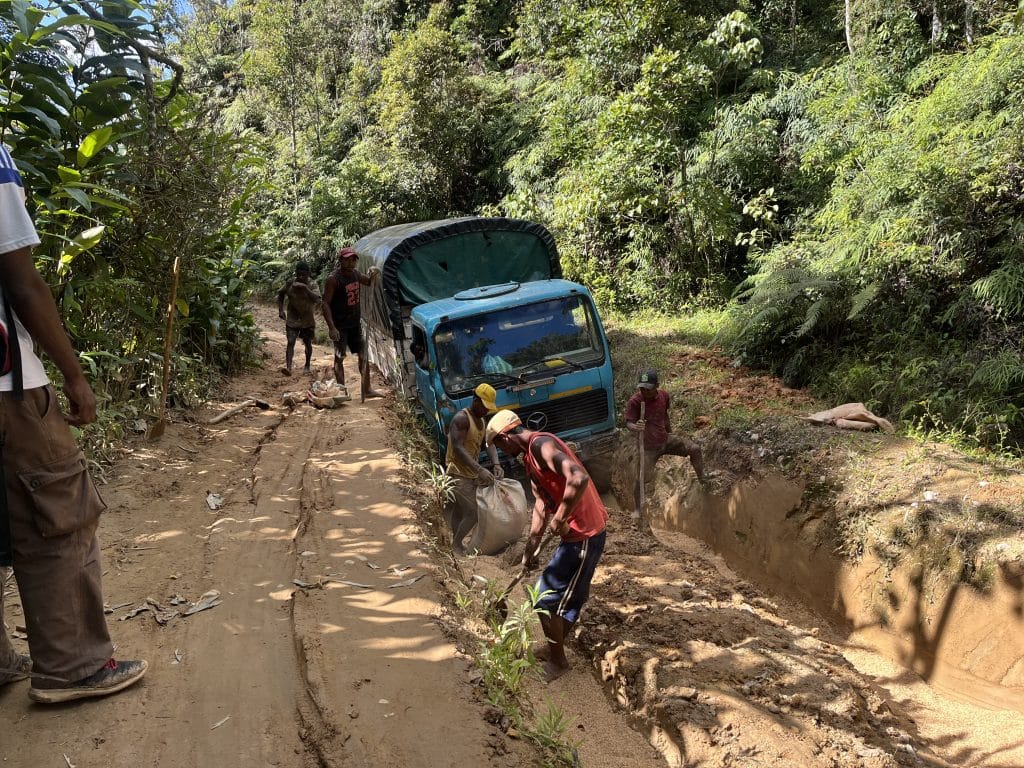
The road also plays a key economic role, linking agricultural producers on one side of the reserve to markets on the other and carrying manufactured goods back in return. At the same time, poor road conditions created real barriers to travel, particularly for women, older adults, and those seeking paid work, pointing to opportunities for road improvements that could benefit both people and the reserve’s biodiversity.
Why Anjanaharibe-Sud Matters
Anjanaharibe-Sud Special Reserve, established in 1958 and located in the Sava Region near the city of Andapa, protects roughly 37,480 hectares of intact, primary evergreen forest. It is home to at least 13 lemur species, including the indri, Madagascar’s largest lemur, whose population here marks the northernmost limit of its range and features an unusually dark, nearly all-black coloration. The reserve is also home to the silky sifaka, one of the world’s most endangered primates.
Findings like these give Wildlife Madagascar and its research partners an important foundation for developing conservation strategies that protect this extraordinary biodiversity while supporting the well-being of the communities who depend on the landscape.
Read the full study, “The Effects of Road Use on Livelihoods and Protected Area Natural Resource Collection in Northeastern Madagascar,” in Human Ecology: link.springer.com/article/10.1007/s10745-026-00717-x