
Investigating Wildlife Health in the Angavo-Mandrare Landscape
What can the health of a lemur tell us about its environment, and how does the surrounding forest shape the health of its wildlife?
An exciting multidisciplinary collaboration is underway across the Angavo-Mandrare Landscape to investigate wildlife health and better understand potential disease transmission among wildlife, domestic animals, and local communities.
A Landscape Like No Other
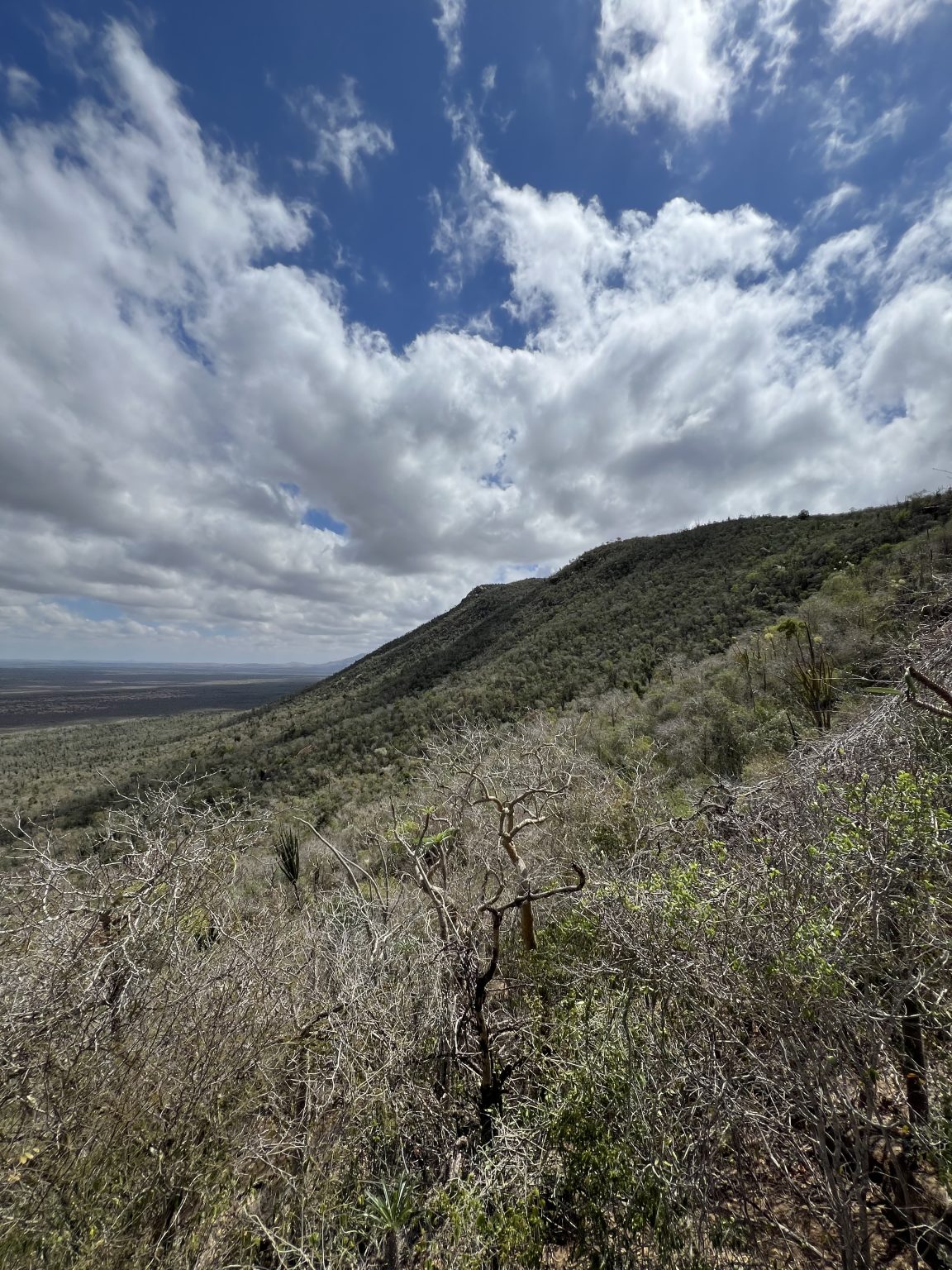
The Angavo-Mandrare Landscape in southern Madagascar is Wildlife Madagascar’s fourth field site, launched in April 2026. It protects the spiny forest, an ecosystem found nowhere else on the planet. Many scientists consider it the most endangered forest type in Madagascar, as agricultural expansion, charcoal production, and unsustainable resource use continue to fragment what remains.
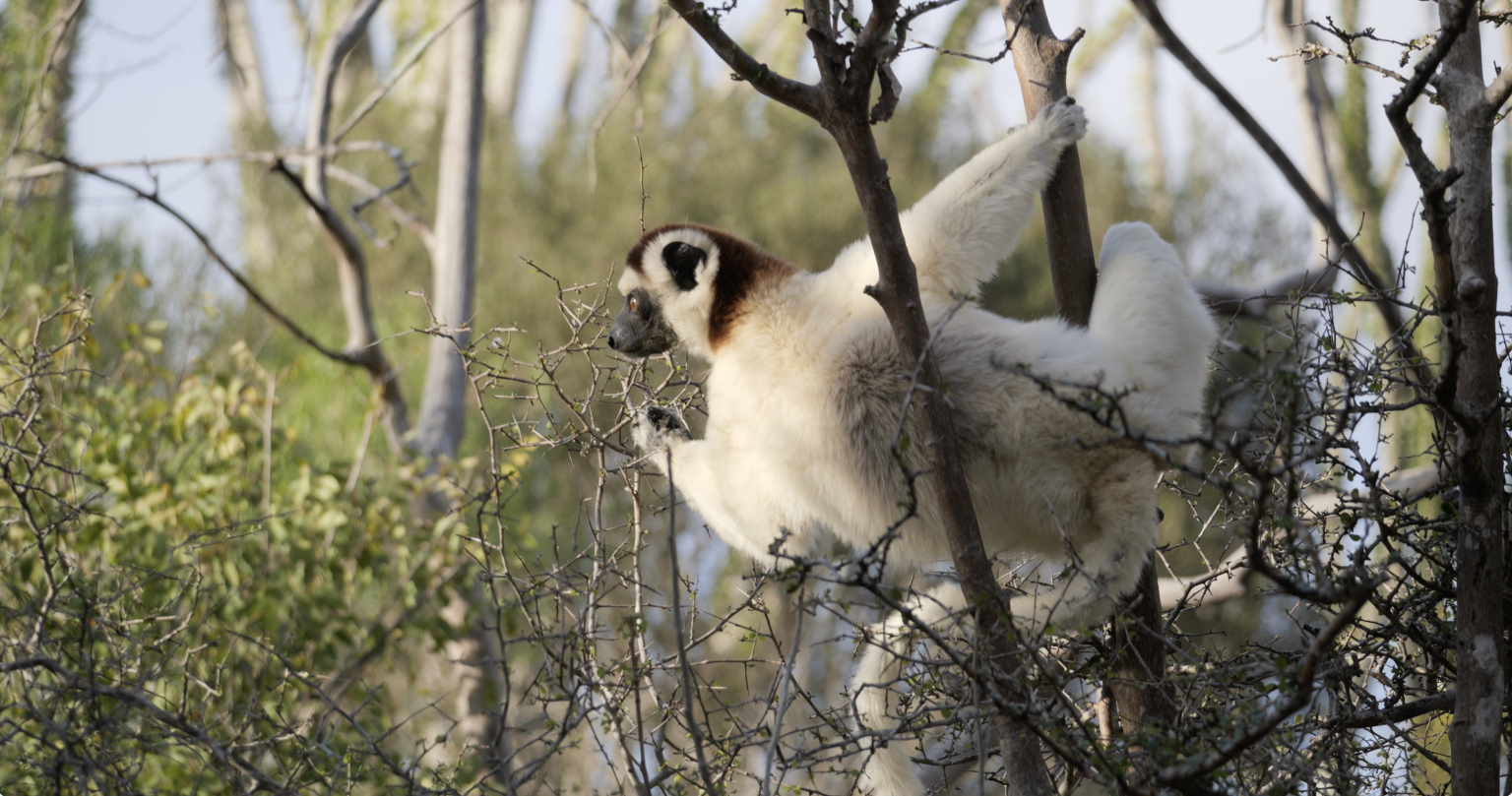
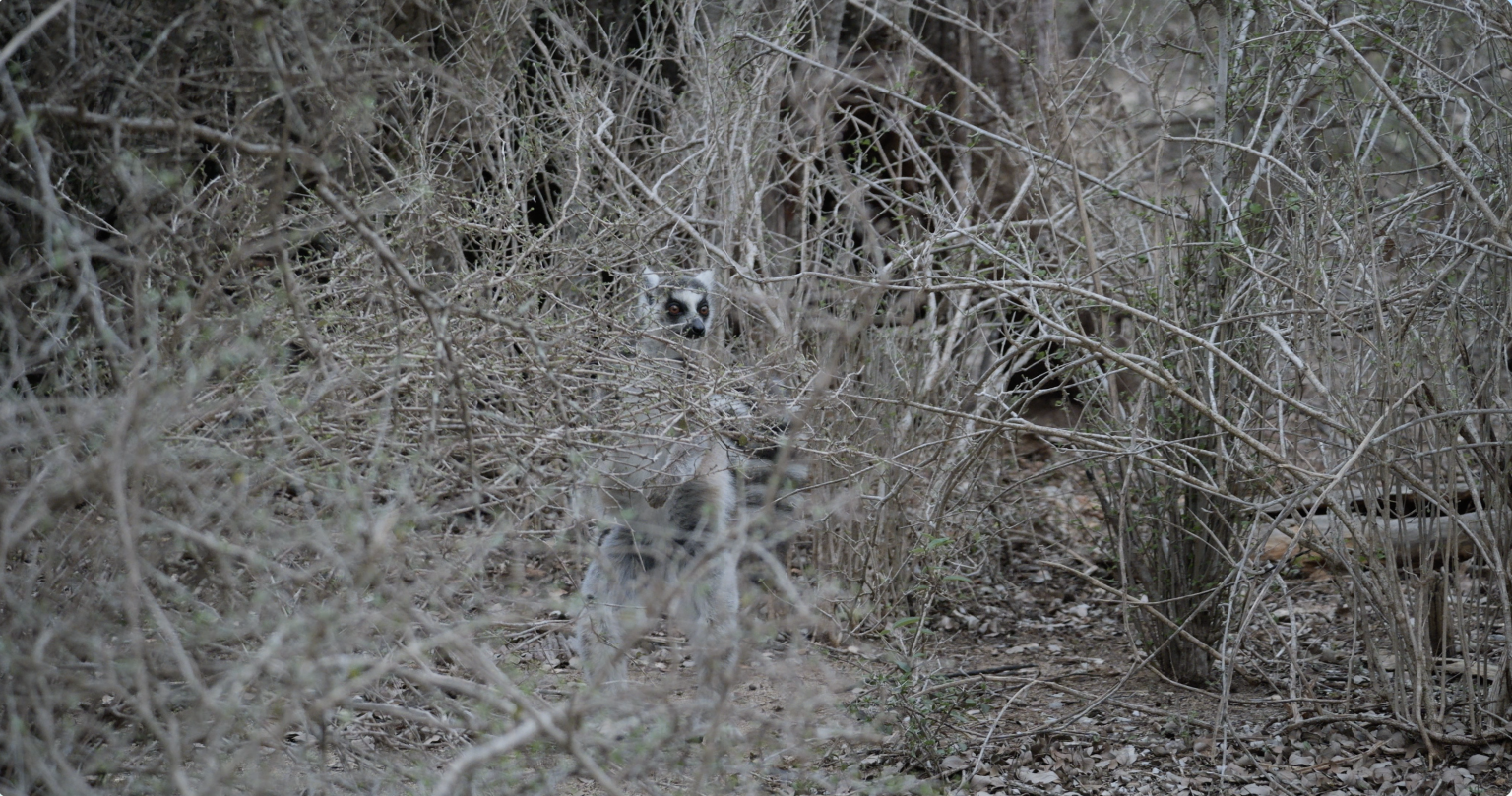
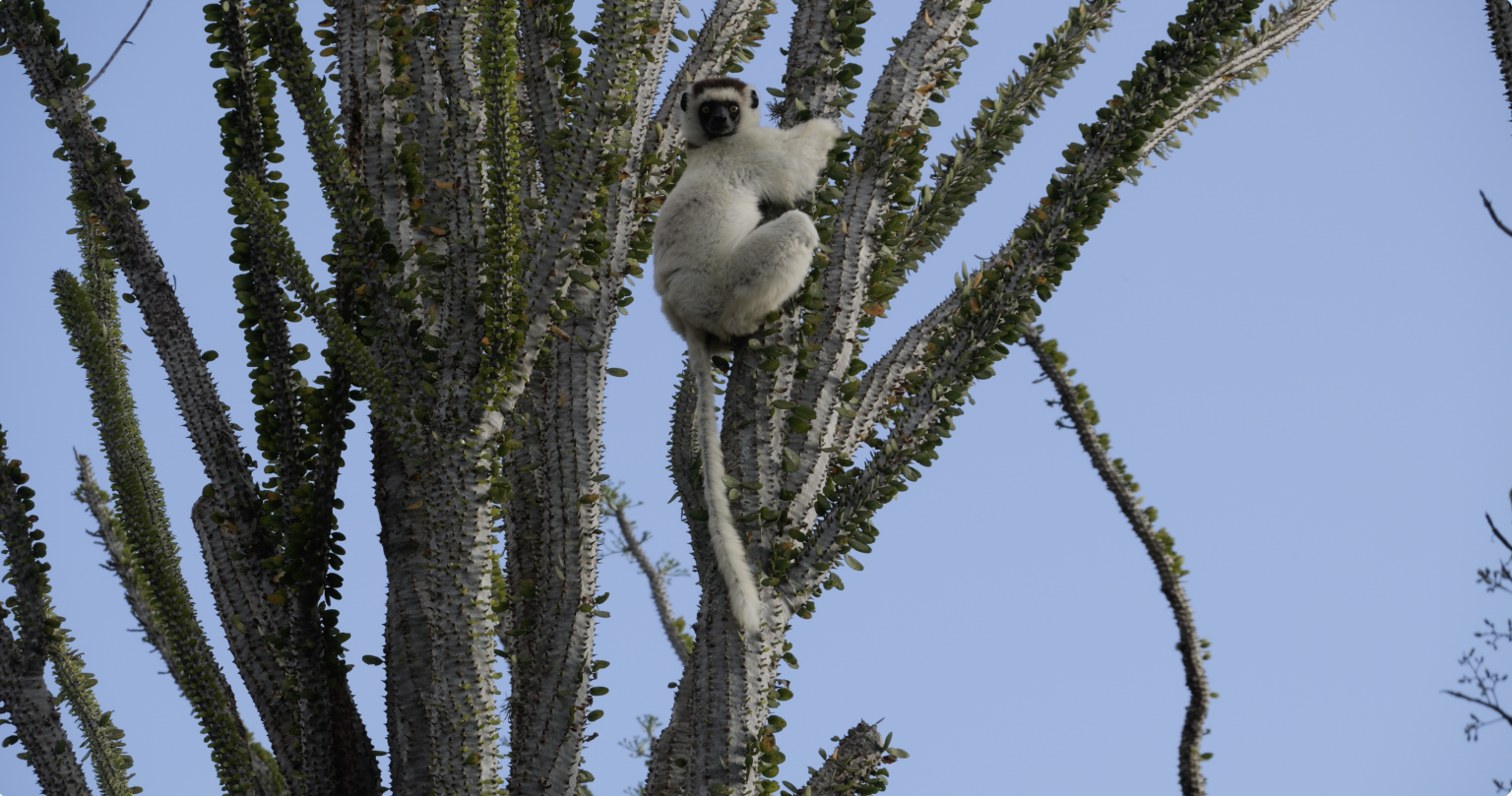
The landscape is also home to remarkable wildlife, including the Critically Endangered radiated tortoise, ring-tailed lemurs, Verreaux’s sifaka, Petter’s sportive lemur, the white-footed sportive lemur, the lesser hedgehog tenrec, and the Madagascar flying fox. Because so many species depend on this forest, understanding their health is an important part of protecting it.
The Research
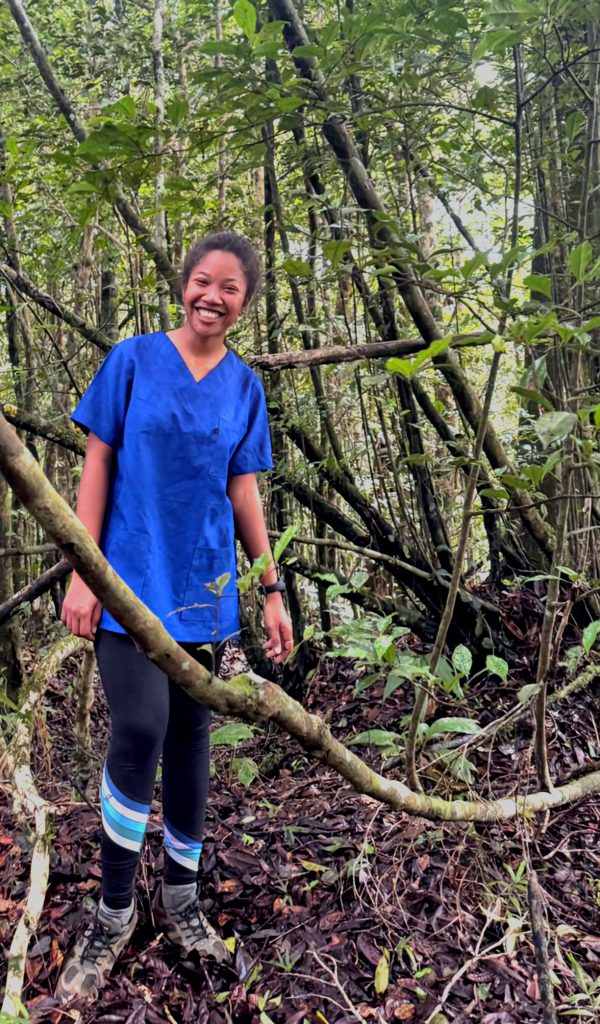
Led by Maëlys Tolojanahary, a Doctor of Veterinary Medicine (DVM) student at the University of Antananarivo and Director of EOKY Club, the project brings together Wildlife Madagascar, the Turtle Survival Alliance (TSA), Mahaliana Lab, and Malagasy veterinary researchers. Fieldwork includes investigating gastrointestinal parasites and potential zoonotic pathogens in lemurs, small mammals, birds, and reptiles, as well as examining invasive rodents as possible disease reservoirs.
Working Alongside Our Field Team
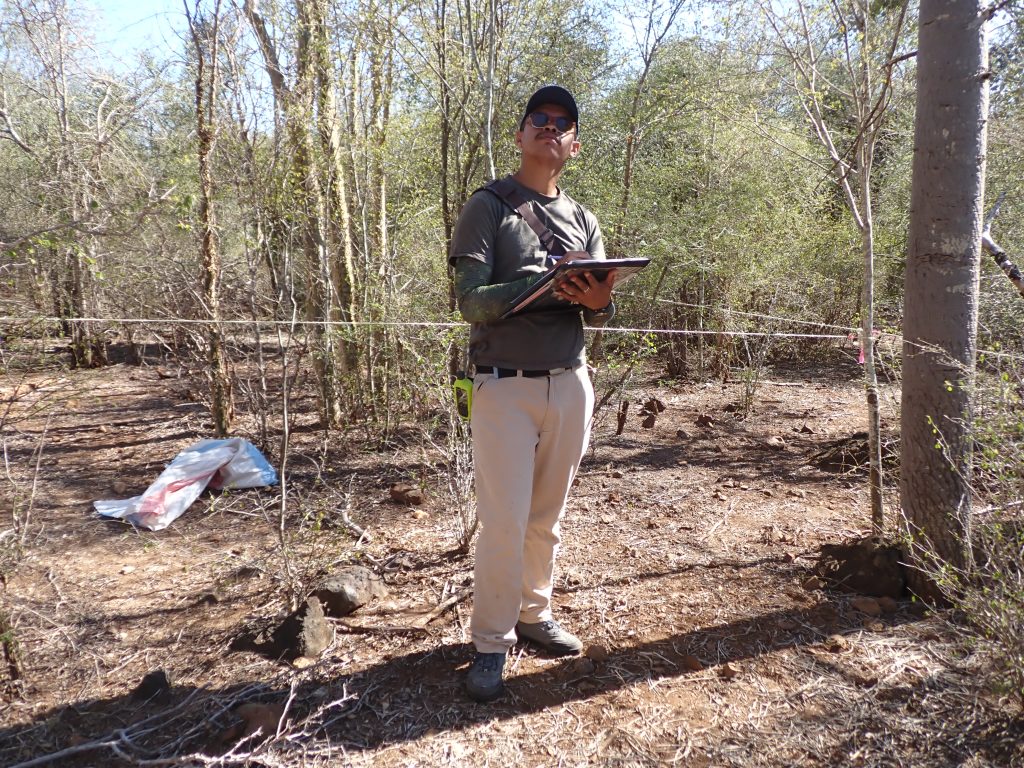
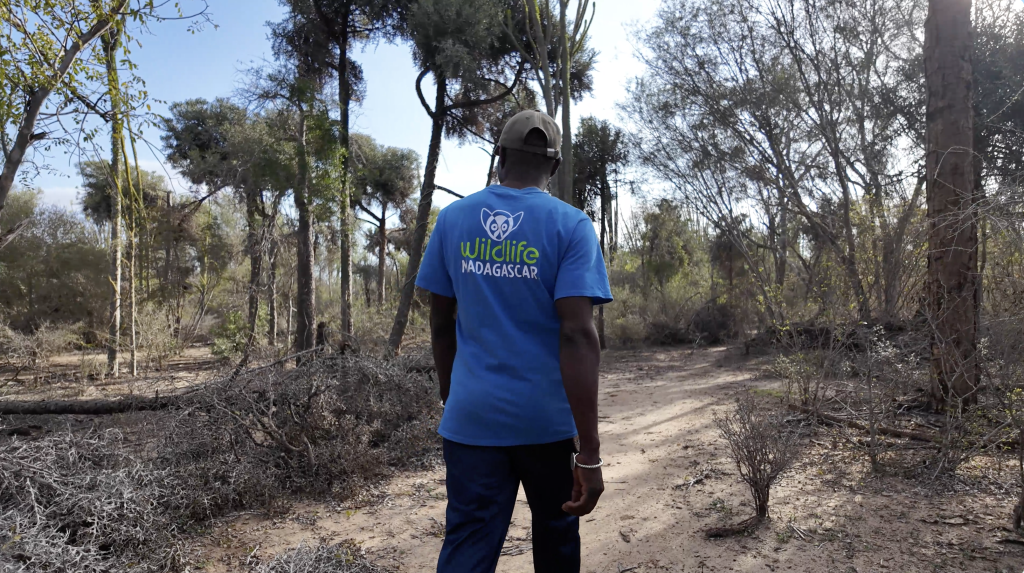
Lemur and botanical surveys are being conducted alongside our Angavo-Mandrare Landscape team, including Assistant Manager Najoro Andrianalijaona and Reforestation Specialist Henintsoa Andrianarivelo. This work builds on the relationships our team has been developing with local communities, schools, and officials across the region.
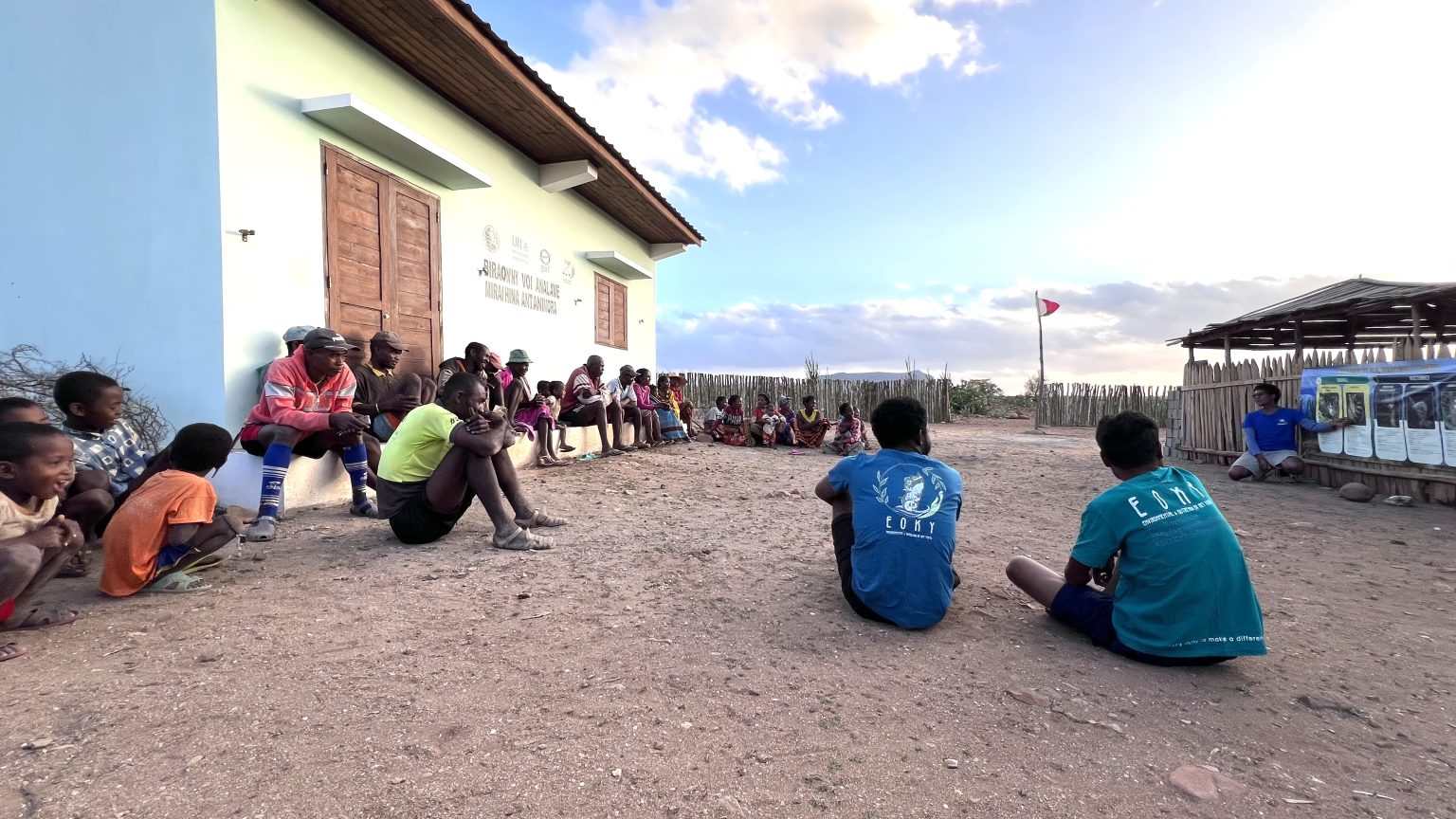
By combining expertise, this collaboration will generate valuable baseline data on wildlife health while improving our understanding of how habitat conditions and human disturbance influence ecosystem health. Importantly, these findings will help identify potential disease threats to wildlife populations and inform conservation strategies that protect both biodiversity and the health of surrounding communities.
Partnerships That Make It Possible
This research is made possible through the generous support of The Dr. Abigail Ross Foundation for Applied Conservation (TDARFAC) and the Apenheul Primate Conservation Trust. In the Angavo-Mandrare Landscape, we also work closely with the Turtle Survival Alliance, through a Memorandum of Understanding to protect the radiated tortoise and other threatened species, and with Madagascar Classic Collection, which is creating the infrastructure for our field site.
A great example of the collaborative, multidisciplinary research needed to better understand and protect Madagascar’s unique biodiversity!
Want to help protect the spiny forest and its wildlife? Support our work here.