
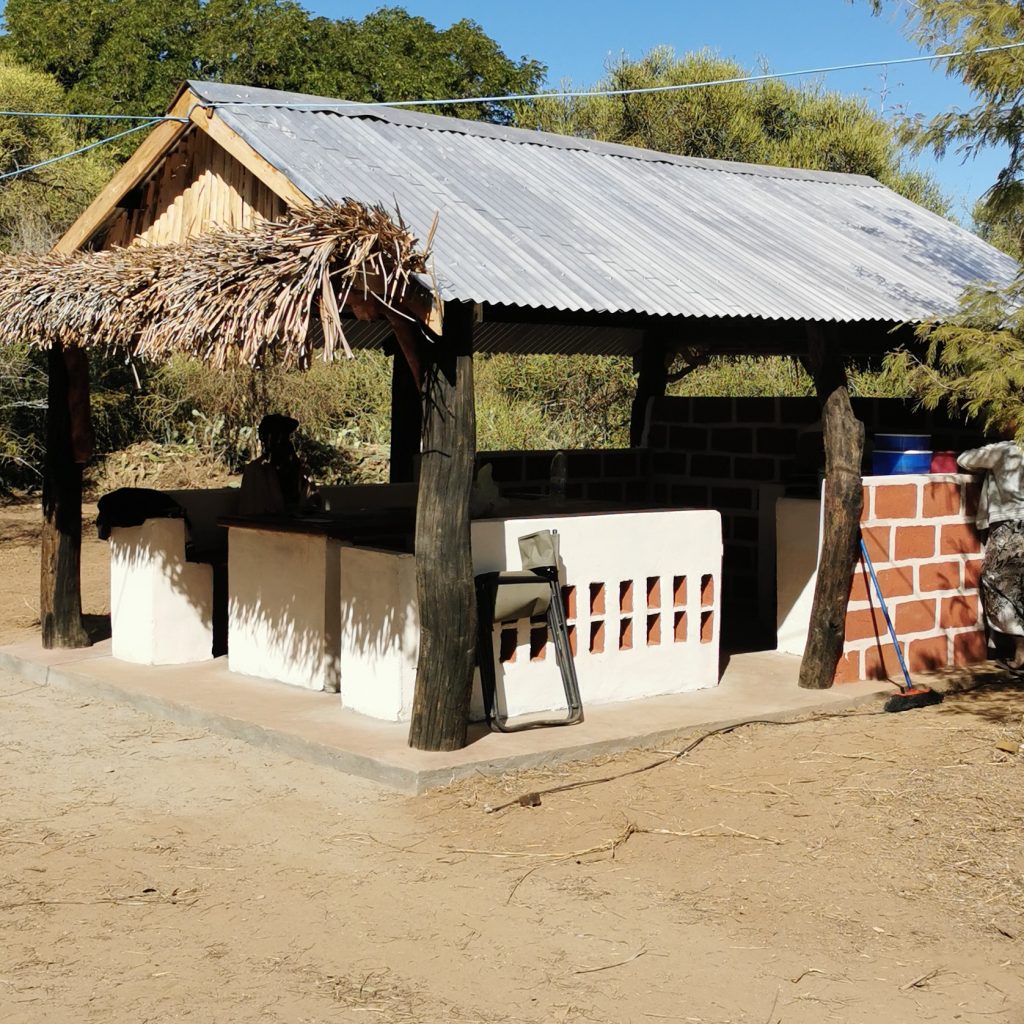
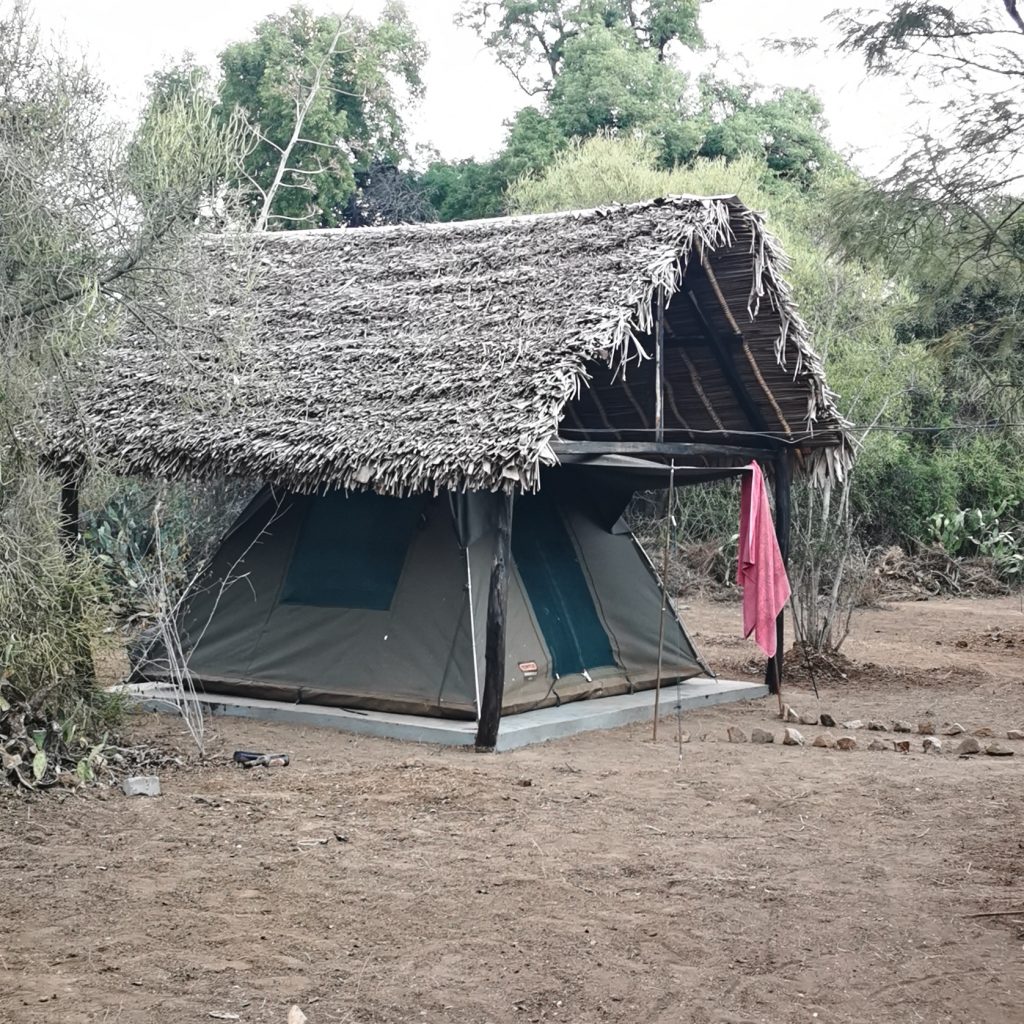
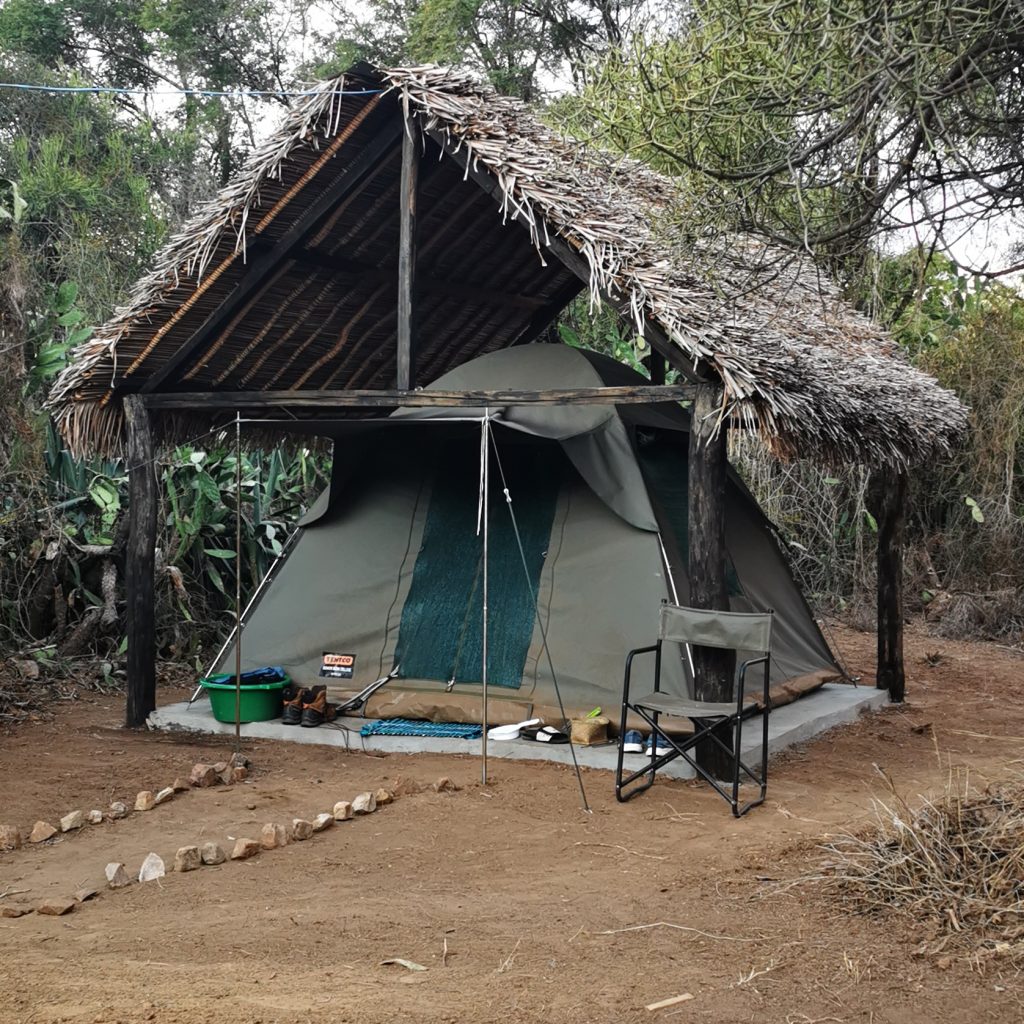
Angavo-Mandrare Landscape, Madagascar. Wildlife Madagascar is celebrating the completion of a new tent camp and office at Mandrare River Camp, built in partnership with Madagascar Classic Collection. The facility will serve as Wildlife Madagascar’s base of operations as it expands conservation, research, education, and community engagement activities across the Angavo–Mandrare Landscape, a roughly 880-square-kilometer mix of protected land and private forest in the Androy Region of southern Madagascar.
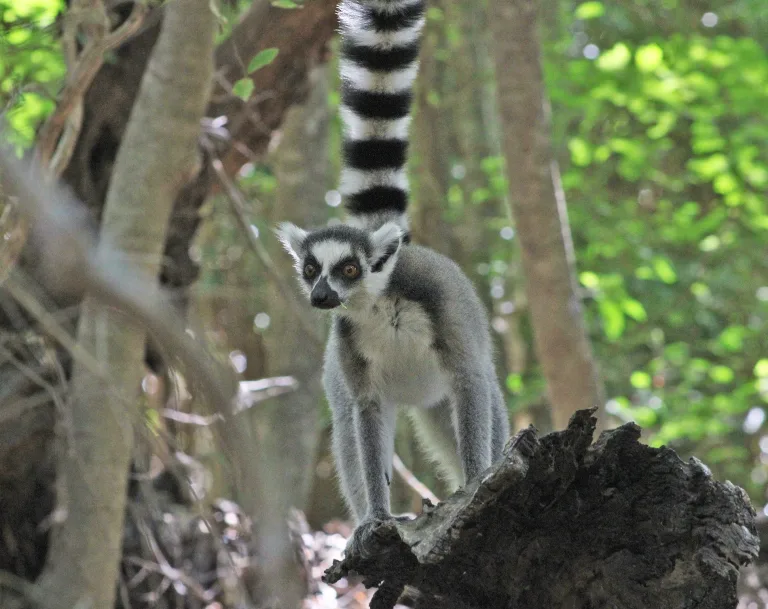
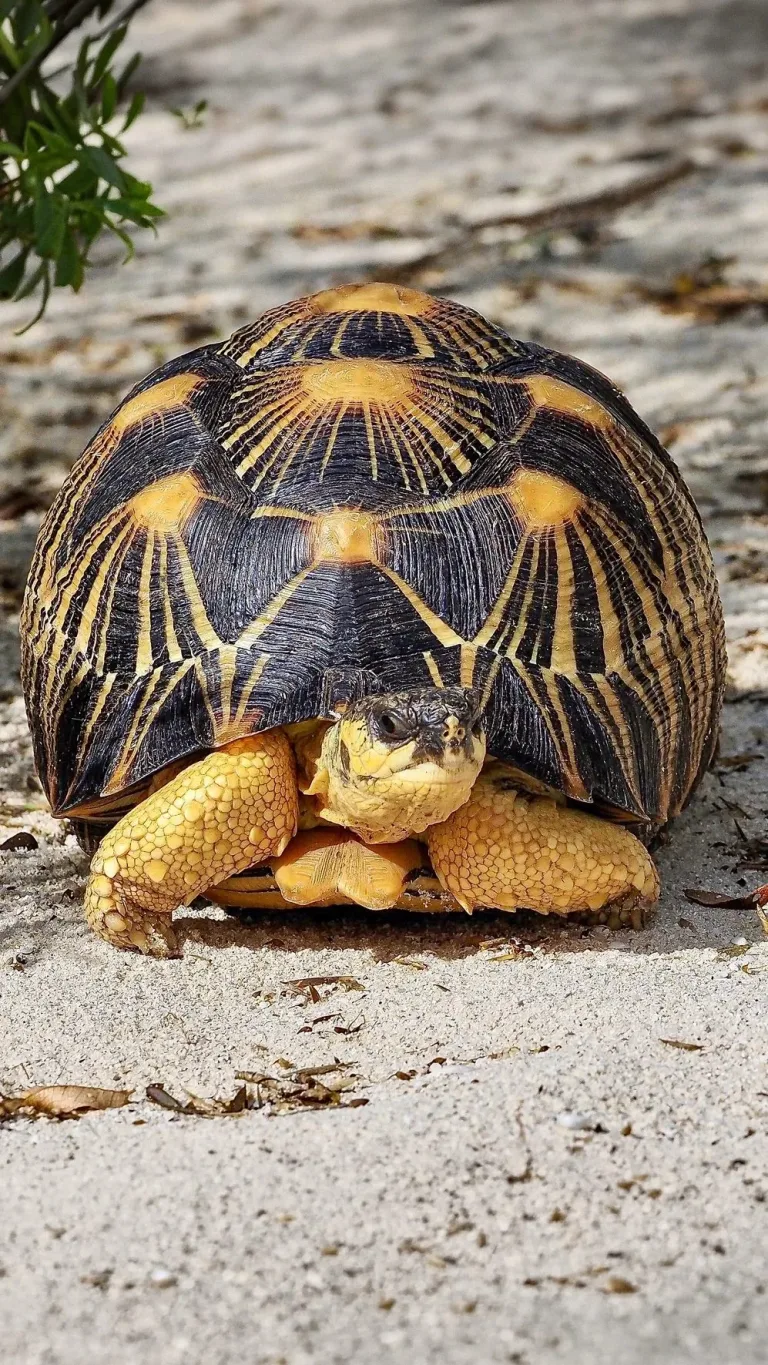
The Angavo–Mandrare Landscape is home to some of Madagascar’s most iconic and threatened wildlife, including the Critically Endangered Verreaux’s sifaka and the Endangered ring-tailed lemur, along with the radiated tortoise and other species found in the region’s spiny forest, a rare, drought-adapted habitat found nowhere else on Earth.

Click here to learn more about the Angavo-Mandrare Landscape field site.
A Growing Partnership
This milestone reflects the strength of Wildlife Madagascar’s growing partnership with Madagascar Classic Collection, which now supports conservation efforts at both the Angavo–Mandrare Landscape and Namoroka field sites.
By combining responsible ecotourism with on-the-ground conservation, Wildlife Madagascar is creating long-term opportunities to protect Madagascar’s remarkable biodiversity while supporting local communities.
That approach reflects Wildlife Madagascar’s broader ecotourism strategy, which aims to generate sustainable funding for conservation and alternative livelihoods for community members while giving forests and wildlife tangible economic value worth protecting.
Looking Ahead
Wildlife Madagascar extended its thanks to the Madagascar Classic Collection team for making the new camp and office possible, and said it looks forward to many years of collaboration from its new home in southern Madagascar.
Support from partners and donors makes new facilities like this possible. Donate to Wildlife Madagascar to help expand conservation, research, and community programs across the Angavo–Mandrare Landscape and beyond.