
Fat-tailed dwarf lemur
Cheirogaleus medius
Vulnerable
 ©global herping
STATUS
Vulnerable
SIZE
Body length: 8 to 9 in (20 to 30 cm)
Weight: 4 to 10 oz (110 to 280 g)
HABITAT
Dry forest
DIET
Mainly fruit
Flowers and nectar
Leaves
Seeds
Some insects
LIFESTYLE
Nocturnal
Arboreal
Social
REPRODUCTION
Gestation: 2 months
Young: 1 to 4
THREATS
Habitat loss
Deforestation

INTERESTING FACTS
As their name suggests, these small lemurs can store fat in their tails, which helps them survive the dry season when there is little food.
Several fat-tailed dwarf lemurs may share a sleeping space during the day in a tree hollow.
They live in stable male-female pairs with offspring, and males actively pitch in with infant care, babysitting, and guarding.
This is the only true hibernating primate.
Characteristics
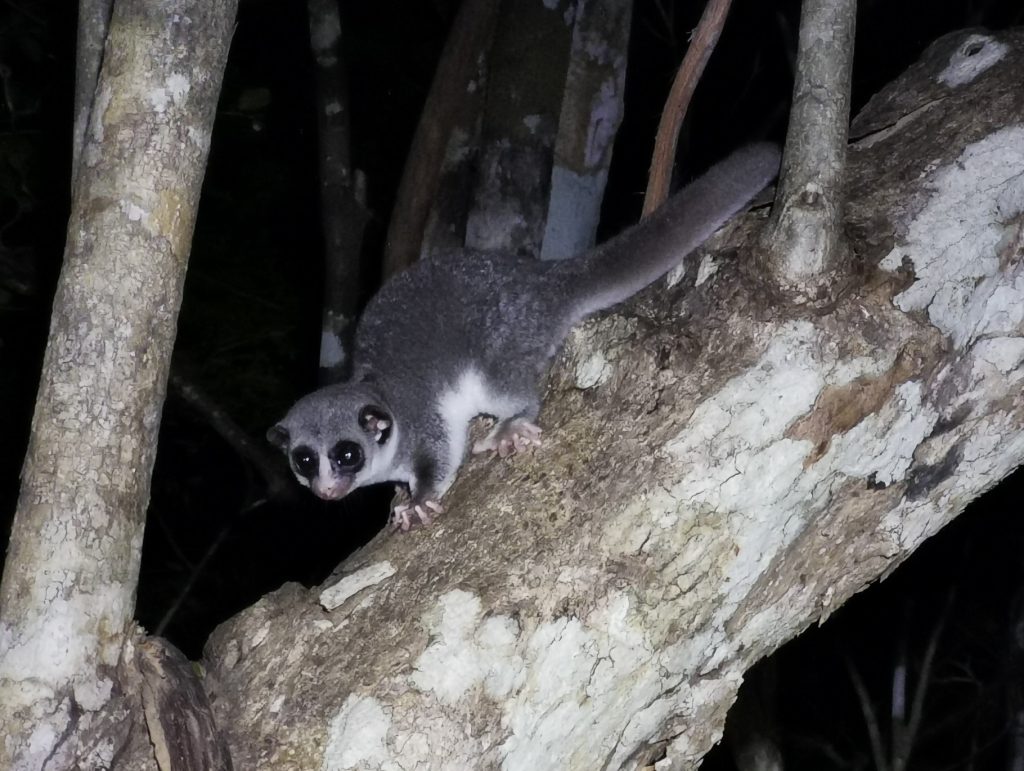
Imagine being able to eat your way through the rainy season, pack on extra weight, curl up inside a tree, and sleep through much of the dry season without needing to find another meal. One of Madagascar’s smaller primates, the fat-tailed dwarf lemur has evolved the ability to store energy and enter extended periods of hibernation. Adults typically measure around 20–23 centimeters (8–9 inches), with a tail that can be about the same length or slightly longer. Their weight changes considerably throughout the year: after emerging from their dormant period, they are relatively slim, but during the rainy season they can nearly double their body weight as they build up fat reserves for the months ahead.
 ©Jason Berger
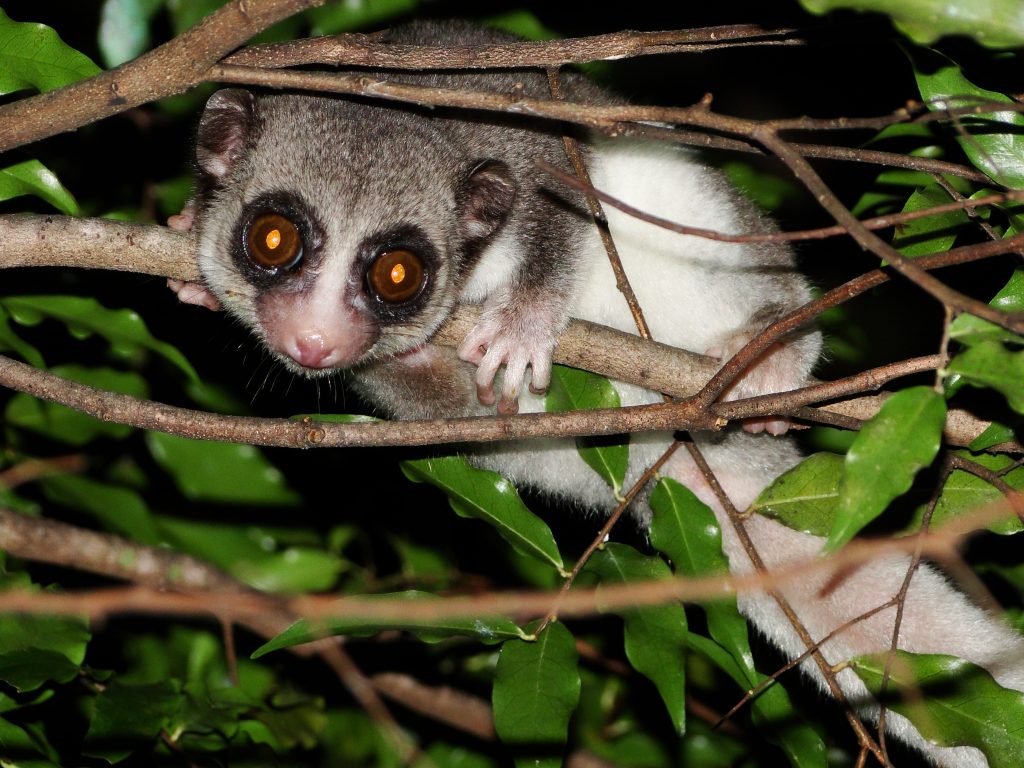
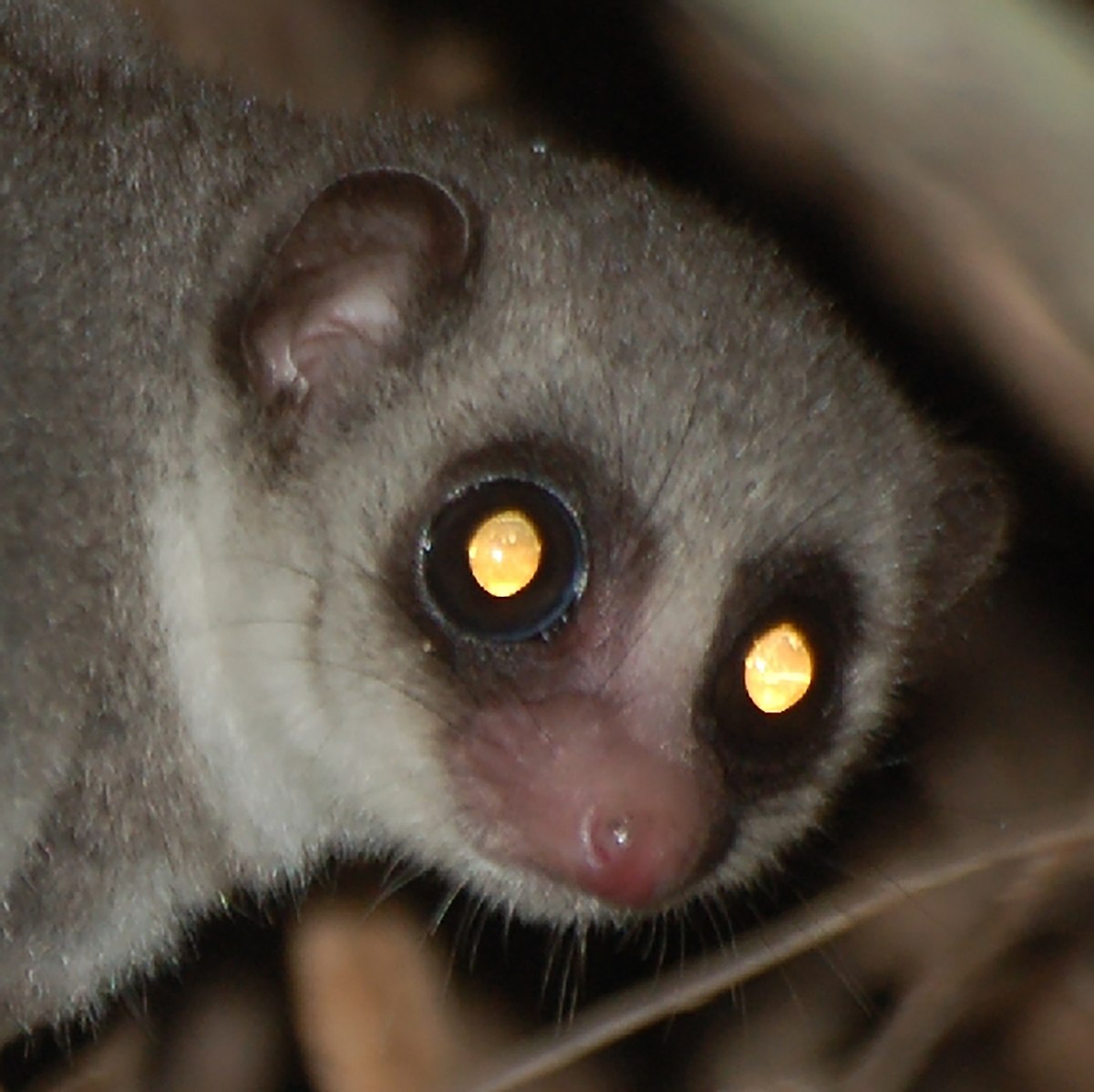
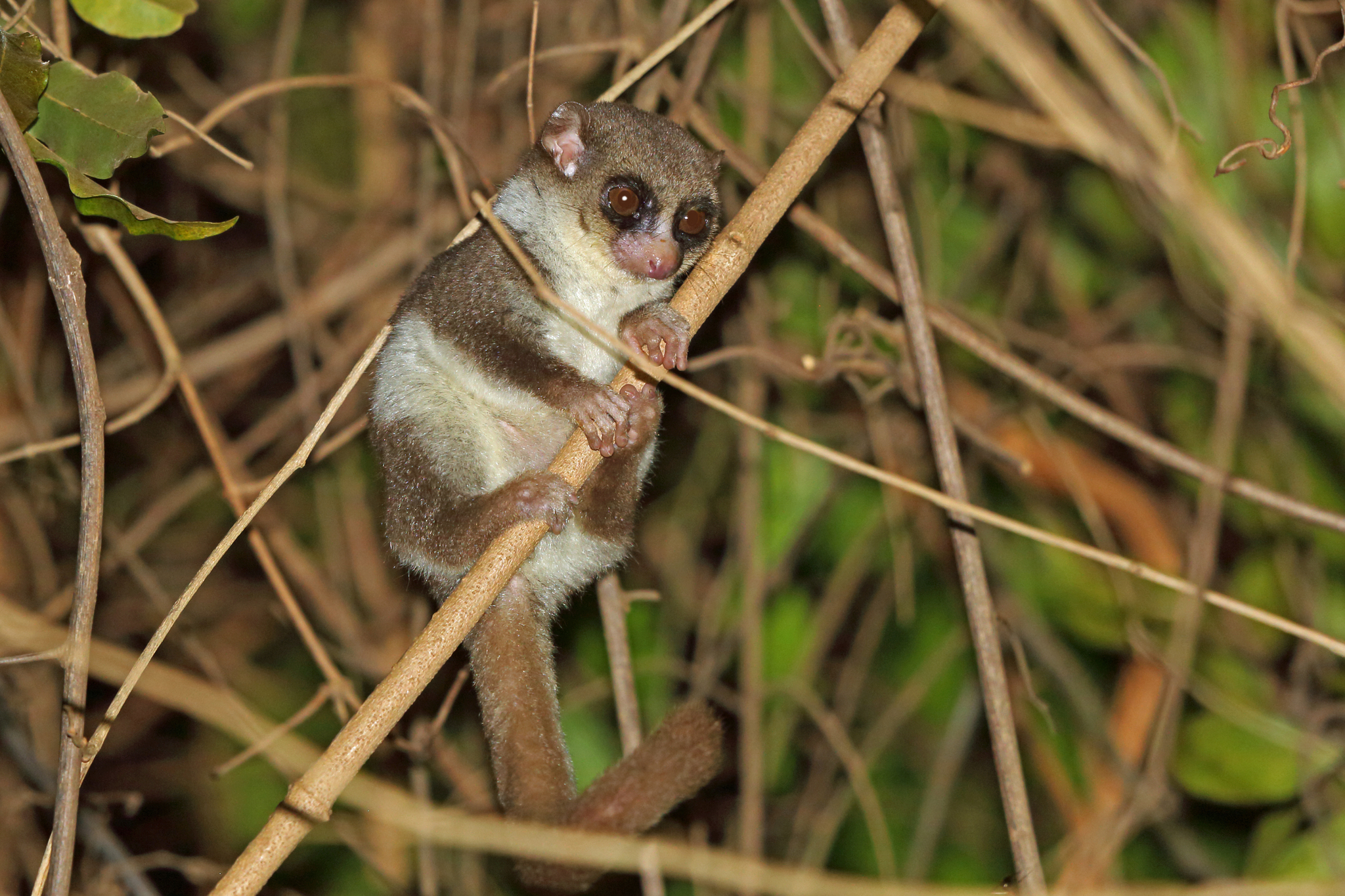
Their soft, dense fur is generally grayish-brown, reddish-brown, or fawn-colored on the back, with a pale or creamy underside. Large, forward-facing eyes help them see in the dark, while dark rings around the eyes give them an expressive, wide-eyed appearance. Their ears are relatively small, and their long, bushy tail is their most distinctive feature. As the lemur prepares for the dry season, fat accumulates in this tail, making it noticeably thicker and earning the species its memorable common name. It is essentially a built-in energy reserve that helps keep this little primate alive when food becomes scarce.
Habitat
The fat-tailed dwarf lemur is found primarily with the island’s western dry deciduous forests. It occurs in landscapes that experience pronounced wet and dry seasons. It can inhabit relatively intact primary forest as well as established secondary woodland and some gallery forests. Although small, it depends on trees for nearly every aspect of its life: feeding, traveling, sheltering, and raising young.
Hollow trees are particularly important. They provide safe daytime sleeping sites and, crucially, the sheltered cavities where individuals spend much of the dry season in hibernation. The characteristics of these cavities—including how well they retain heat—can influence the lemur’s body temperature while it is dormant. Large, old trees therefore offer more than just branches and food; they can provide essential refuges that help this tiny primate survive months without foraging. Protecting mature forest structure is consequently an important part of protecting the species.
Foods and Feeding
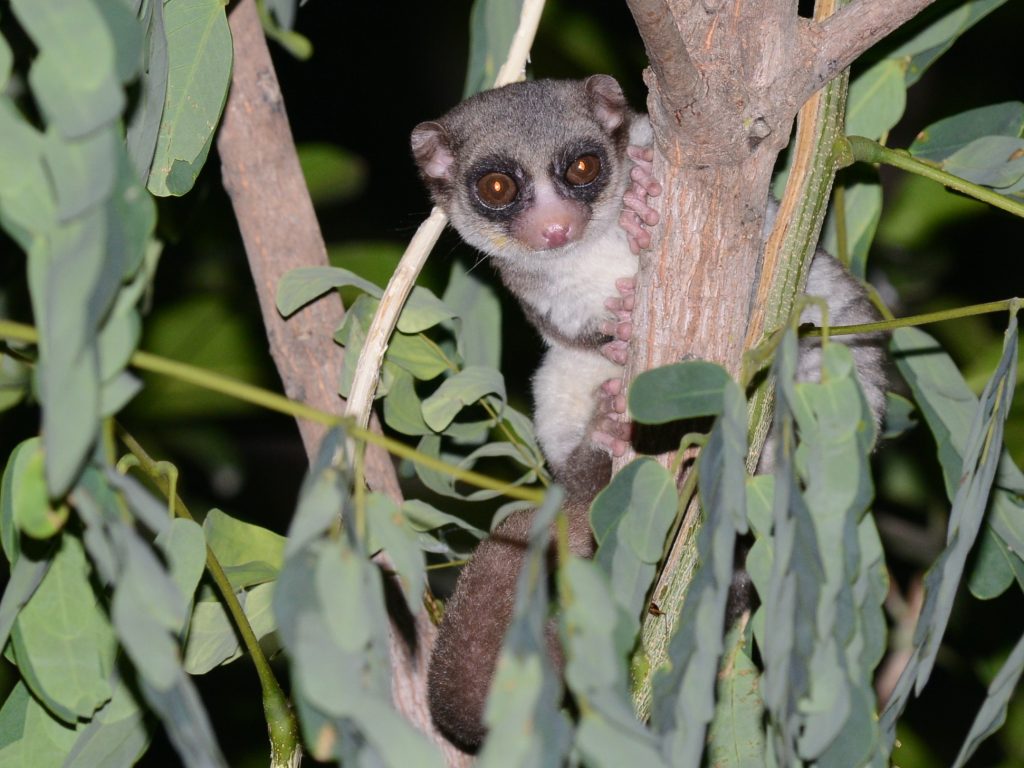
The fat-tailed dwarf lemur is primarily a fruit eater, but it has a varied diet that changes with the seasons. Fruits are a major food source, supplemented by flowers, nectar, seeds, tender leaves, and plant gums. It also eats insects and other invertebrates. This flexible menu allows it to take advantage of whatever foods are available in its forest habitat throughout the year.
 ©Alan Vannorman
The rainy season is especially important because it provides an abundance of fruits and flowers. During this time, the lemur feeds heavily, consuming energy-rich foods that help it build the fat reserves needed to survive the long dry season. Fruits with high sugar content are particularly useful because their energy can be converted into stored fat. As the dry season approaches, the lemur’s tail becomes increasingly plump, transforming into a convenient fuel tank that will sustain it while it remains tucked away in its tree hollow.
By relying on stored energy rather than searching for food during the lean months, the fat-tailed dwarf lemur avoids one of the biggest challenges of life in Madagascar’s seasonal dry forests. Its feeding strategy is a remarkable example of how an animal can synchronize its behavior and physiology with the changing availability of food.
Behavior
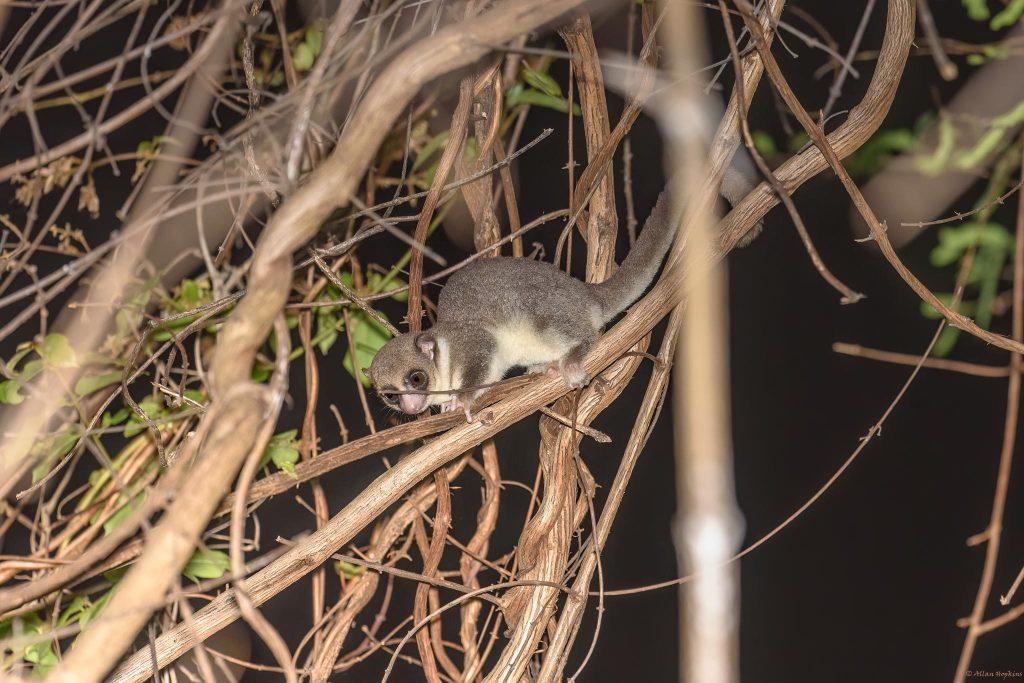
Fat-tailed dwarf lemurs are nocturnal and arboreal, spending their nights moving through the trees in search of food. They typically forage alone, traveling along branches with quick, nimble movements. During daylight hours, they retreat to sheltered sleeping sites, most often hollow tree trunks or cavities. Several individuals may share a tree hole, sometimes gathering in groups of up to five. These sleeping groups can include a male and female with their offspring, although individuals may also sleep alone. Some use leafy nests tucked into dense vegetation when suitable tree cavities are unavailable.
 ©Nigel Voaden
But the behavior that truly sets this species apart is its ability to hibernate for an exceptionally long time. While many animals in cold climates hibernate to escape winter, the fat-tailed dwarf lemur does so in tropical Madagascar to survive the dry season, when fruit and other food resources become difficult to find. It may remain dormant for as long as six or seven months, often from around May until November, depending on local conditions. During this period, it relies on the fat stored in its tail and other parts of its body rather than actively foraging.
This is not just a long nap. During hibernation, the lemur’s metabolism, heart rate, breathing, and body temperature can drop dramatically. Its body temperature may even fluctuate with the temperature inside its tree hollow. Periodically, it experiences brief periods of arousal, during which its body warms and normal activity increases before it returns to torpor. Researchers have found that the insulating properties of the tree cavity influence how these temperature changes occur. In other words, choosing the right tree hole may be just as important to survival as building up enough fat in the first place.
Reproduction and Life Cycle
Fat-tailed dwarf lemurs have a seasonal breeding cycle that follows Madagascar’s changing conditions. Mating generally takes place between September and November, around the time the animals emerge from their long dormant period and the rainy season begins. After a gestation of approximately two months, females usually give birth in December or January. Litters typically contain two infants, although one to four young have been recorded.
Females give birth in protected nests or tree cavities, where their tiny offspring can remain sheltered. Mothers may carry their infants in their mouths when they need to move them to another location. Young lemurs grow quickly and gradually become more independent as they develop. They generally reach sexual maturity during their second year of life, although the timing can vary. Small family groups may include a breeding pair and offspring from one or two breeding seasons, and family members may share sleeping sites during the day.
The timing of reproduction is closely connected to the lemur’s unusual annual routine. By giving birth as the rainy season gets underway, females raise their young when food is becoming more plentiful. The months of abundance allow adults and growing juveniles to feed and build the energy reserves they will need before the next dry season arrives. For the fat-tailed dwarf lemur, survival is all about getting the timing right.
 ©Allan Hopkins
Conservation and Threats
The fat-tailed dwarf lemur is currently classified as Vulnerable on the IUCN Red List. One of its greatest threats is habitat loss, particularly the clearing and degradation of Madagascar’s western dry deciduous forests. Agriculture, charcoal production, logging, and other human activities continue to reduce and fragment these already threatened habitats.
Although fat-tailed dwarf lemurs can survive in some smaller forest fragments, their dependence on trees for food, shelter, and hibernation makes the loss of mature forest especially challenging. Removing large trees can eliminate the hollow cavities they need to survive the dry season, even when some forest vegetation remains. Protecting connected forest landscapes and retaining old trees are therefore important conservation priorities. The species occurs in several protected areas, but protection and continued monitoring are needed to help ensure that populations remain viable.